HDHS at a Glance
- 2009
- Dhanmondi, Dhaka
- Dr. Ismail Amjad
- 7
- 18+
- 170,000+
- 500+
- 250+
- 7,500+
- 57+
- 22+
- 57+
- 50+
- 17,300+
- 205+
- 145+
You may also like:
- Housing and Shelter Program
- Mosque Construction
- School Construction
- Orphan Sponsorship
- Qur’an Printing and Distribution Program
- Ramadan Food Basket
- Sewing Machine Distribution
- Student Sponsorship
- Water Well Construction
- Youth Support Program
- Boy’s Circumcision Program
- Food Assistance for Needy
- Health Care Services
- Iftar Program During Ramadan
- Marriage Assistance Program
Water, Sanitation & Hygiene
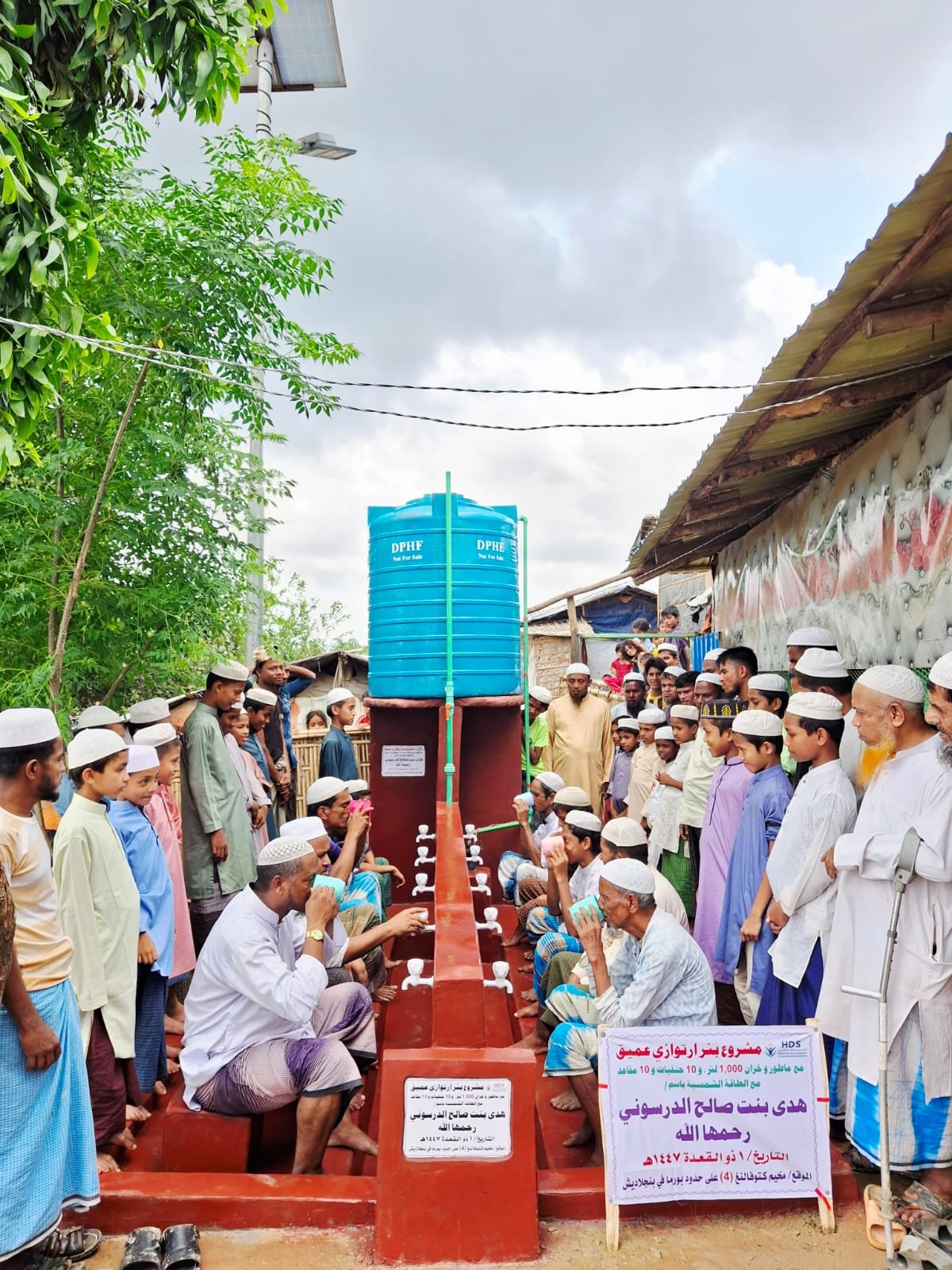
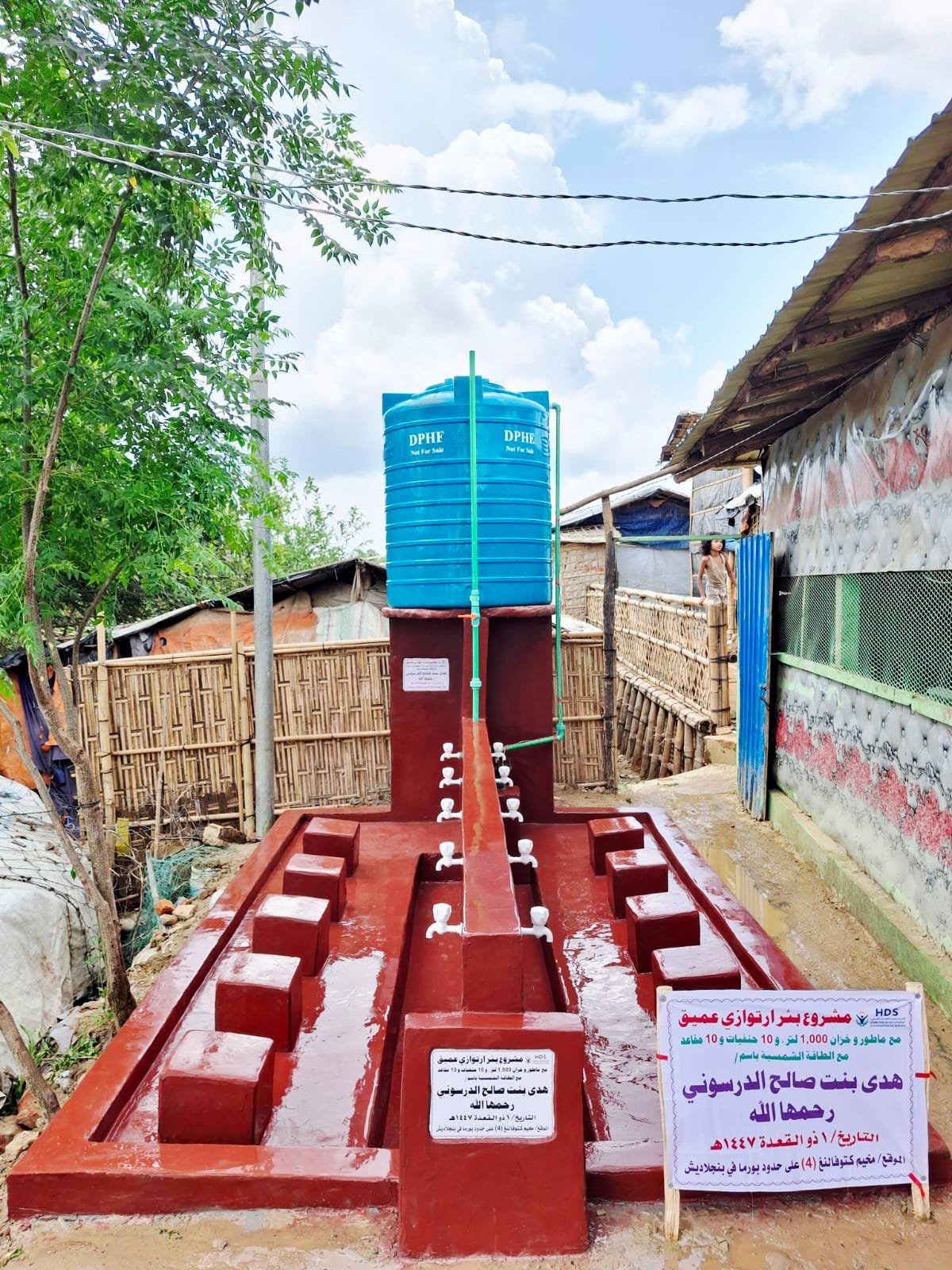
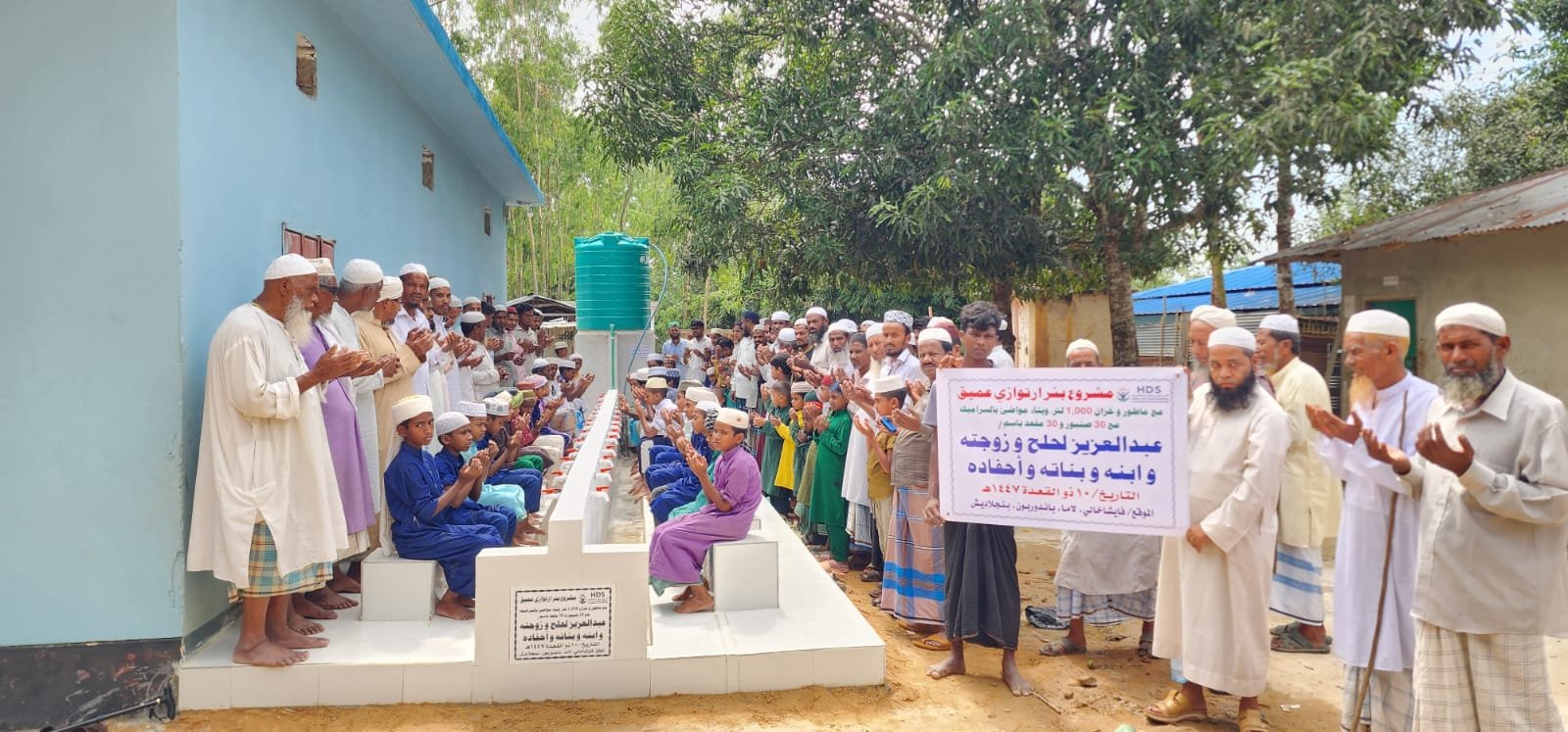
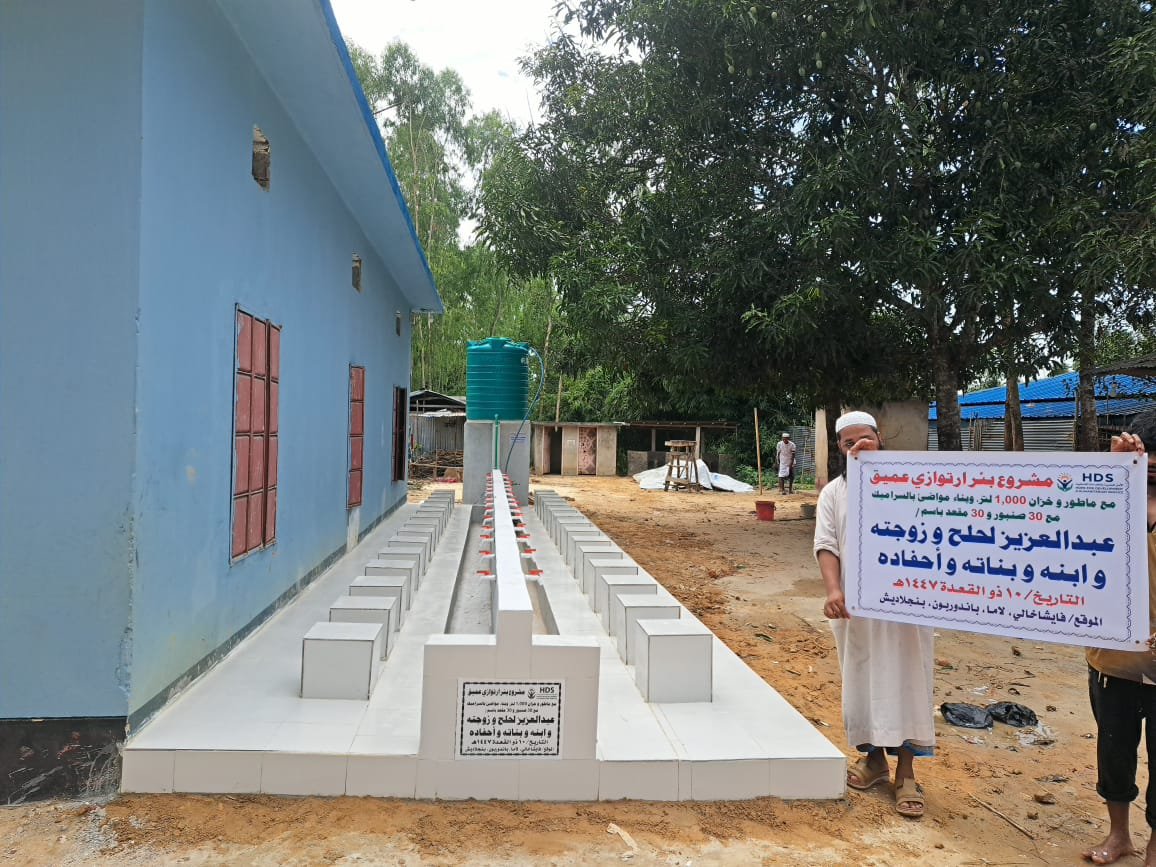
HDHS’s WASH (Water, Sanitation & Hygiene) Program works to improve access to safe water, adequate sanitation, and healthy hygiene practices among vulnerable and underserved communities. Poor access to clean water and sanitation can increase the risk of disease, affect children’s education, and place additional burdens on families. HDHS therefore focuses on practical, community-based solutions that address both immediate needs and long-term hygiene and sanitation improvements.
The program may support safe drinking-water facilities, water points, sanitation facilities, handwashing stations, hygiene materials, and hygiene awareness sessions. HDHS also works with local leaders, volunteers, schools, and community groups to promote safe hygiene practices and encourage communities to take ownership of WASH facilities and their proper maintenance.
Key Areas in WASH
Key Questions in this program:
1. What is the main objective of HDHS’s WASH Program?
The program aims to improve access to safe water, sanitation, and hygiene while reducing health risks associated with unsafe water and poor sanitation practices.
2. Who benefits from the WASH Program?
The program primarily supports vulnerable and underserved communities, including children, families, schools, and other groups with limited access to safe water and adequate sanitation facilities.
3. How does HDHS ensure the sustainability of WASH projects?
HDHS involves local leaders, volunteers, schools, and community members in planning, implementation, awareness activities, and maintenance. This community-based approach encourages local ownership and helps ensure that WASH facilities remain functional and beneficial over the long term.